

How Local Musicians Can Build a Home Recording Studio That Actually Works
The following article was written by Betty Summer of: DiscountBetty.com Thanks Betty!
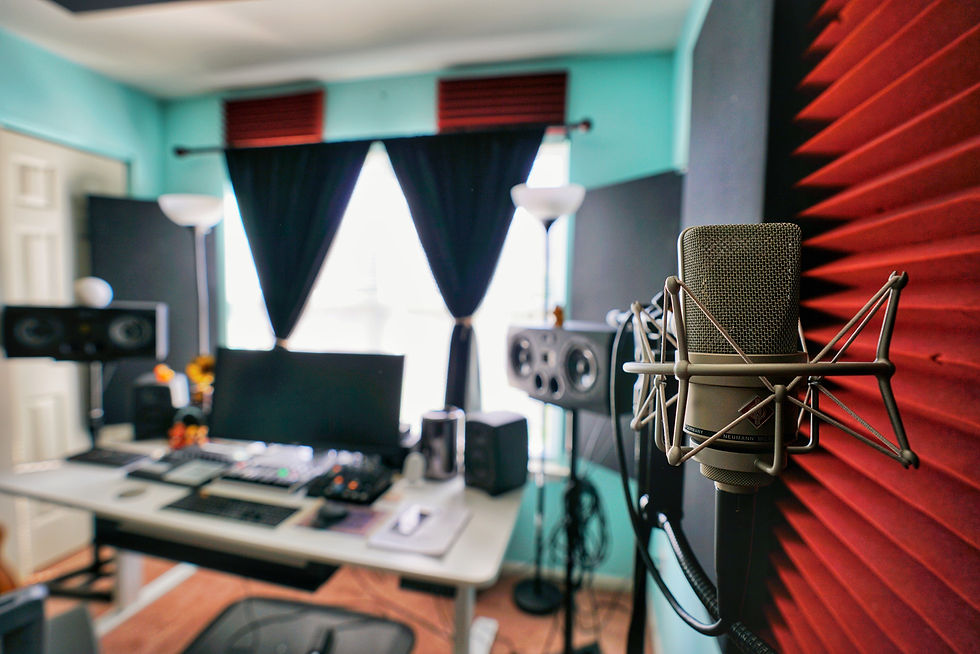
Creating music from your own space isn’t just about saving money, it’s about shaping a creative environment that reflects who you are as an artist. For local musicians, an at-home recording studio is a way to claim independence, control production, and refine sound without booking expensive sessions. Even a modest space can become a serious creative hub with the right tools, setup, and a few smart upgrades to make it sound—and function—like a professional room.
Quick Notes
● Pick a quiet, well-shaped room before thinking about equipment or decor.
● Budget for small home upgrades—better lighting, added insulation, & stable power lines all help.
● Treat your space acoustically with simple DIY materials before buying extra plug-ins.
● Use surge protection and consider home warranty coverage for electrical reliability.
Step One: Choose the Right Space
The best studio rooms aren’t always the biggest, they’re the most controlled. Avoid open floor plans and rooms with heavy echoes. A small, rectangular room with minimal windows and thick carpeting is ideal. Basements often work if humidity is managed. The goal is predictability in how sound behaves.
Before you think about gear, listen to the room. Clap, talk, or strum an acoustic instrument. If you hear strong reflections or flutter echoes, you’ve got work to do. Blankets, rugs, and bookshelves can all help tame the soundscape.
Core Equipment Every Local Musician Should Own
You can think of your gear setup as your “signal chain.” Each piece has a role in shaping sound clarity and fidelity.
Equipment | Purpose | Starter Budget Range |
Audio Interface | Converts analog sound to digital | $100–$300 |
Microphone (Condenser or Dynamic) | Captures voice or instruments | $100–$250 |
Studio Monitors / Headphones | Provides accurate sound playback | $150–$400 |
MIDI Controller | Adds control over virtual instruments | $80–$200 |
Cables, Stands, Pop Filters | Essential supporting gear | $50–$100 |
DAW Software | Records and edits your music | Free–$200 |
A simple setup with these basics is enough to produce demos, podcasts, or full albums. Upgrade one component at a time as your skills and budget evolve.
Keep Your Sound Clean: Acoustic Treatment Tips
Acoustic treatment isn’t glamorous, but it’s what turns an ordinary room into a reliable recording space. Foam panels absorb high frequencies, while bass traps handle low-end buildup in corners. If you’re on a budget, start with soft furnishings, such as curtains, rugs, and fabric-covered panels.
A pro tip: place absorbers at “first reflection points” (the walls beside and above your recording position). This minimizes comb filtering and improves stereo imaging when mixing.
Building the Workflow
Once you have your gear and your room, the next step is to turn it all into a working system. Use this list to stay on track.
Choose a DAW (e.g., Ableton Live, Logic Pro, Reaper, or Studio One).
Install drivers and test your audio interface.
Set up proper gain levels for instruments and vocals.
Label your inputs, tracks, and project folders for easy recall.
Test monitoring with headphones first, then with studio monitors.
Record 10–20 seconds of silence to check for background noise.
Create a default project template to streamline future sessions.
Having this workflow saves hours of frustration and makes your studio function like a creative engine instead of a tech maze.
Renovate for Sound and Comfort
Even small renovations can dramatically improve how your studio feels and performs. Adding extra electrical outlets keeps your signal chain neat and safe. Installing thicker insulation or replacing hollow-core doors helps isolate noise and stabilize temperature. Musicians with older homes often benefit from upgrading wiring or tightening wall seams to prevent unwanted vibrations.
Good lighting and solid flooring can make long recording sessions more comfortable, too. Think of these upgrades as part of your creative investment; they make the space safer, quieter, and easier to maintain over time.
Protecting Your Studio Investment
Once you’ve made upgrades like wiring improvements, outlet additions, or minor soundproofing changes, it’s worth protecting those enhancements. Your studio’s gear and infrastructure, especially electrical systems, represent real value.
A home warranty that covers electrical systems can safeguard those investments from issues like circuit overloads, power surges, or aging wiring that could impact your setup.
This coverage helps offset the cost of repairs for problems in outlets, interior lines, or breaker boxes that feed your recording equipment. That way, your renovations stay reliable, your setup remains powered, and your creativity doesn’t get interrupted by an electrical mishap. To see what’s available, you can explore your options for plans that include interior electrical lines, wiring, and component protection.
Creative Habits That Boost Recording Quality
Good gear can’t replace good habits. Try these quick shifts that make your sessions more productive:
● Warm up your voice or hands before recording.
● Label each take clearly—“guitar_chorus_take3.wav” beats “audio001.”
● Keep a written log of mic placements and settings for repeatability.
● Mix at low volumes to avoid fatigue.
● Take ear breaks every 45 minutes.
Consistency builds sound awareness, and awareness builds better music.
Common Pitfalls to Avoid
Many first-time studio builders make avoidable mistakes. Here are the biggest ones:
● Buying too much gear too soon.
● Ignoring room acoustics.
● Recording at volumes too high for your mic.
● Skipping backups.
● Mixing on consumer headphones or laptop speakers.
A minimal, controlled, and well-managed setup almost always beats a cluttered one full of “gear paralysis."
FAQ
How much should I realistically spend to start a studio?
Most musicians can build a reliable setup for under $1,000. Start small with quality essentials like an interface, one good mic, and monitoring gear. Avoid overspending on plug-ins early on. Invest later as your skill and sonic needs evolve naturally.
Can I record professional vocals at home?
Absolutely. With a quiet space, a condenser mic, and basic treatment, you can capture high-quality vocals. The key is mic technique and gain staging; keep consistent distance and volume. Use a pop filter to prevent plosives and record multiple takes for flexibility in editing.
Should I use acoustic panels or foam?
Foam is fine for high frequencies, but panels with dense fiberglass or mineral wool perform better across the spectrum. Use a mix of both if possible. Treat reflection points and corners first before adding aesthetic panels or wall art.
How do I keep recordings safe from power outages or surges?
Use an uninterruptible power supply (UPS) for your computer and interface. Add a surge protector for the rest of your gear. For long-term reliability, consider an electrical protection plan or warranty that includes coverage for internal wiring.
What’s the best DAW for beginners?
It depends on your genre and workflow. GarageBand is great for beginners, Ableton Live excels at electronic production, and Reaper is powerful and affordable. Choose the one that feels intuitive; you can always migrate later as your skills grow.
How do I get rid of background hum or noise?
Ground loops and poor shielding are common culprits. Use balanced cables (XLR or TRS), isolate your power supply, and ensure all devices share a single grounded outlet. Software noise reduction tools can help, but prevention through proper wiring is more effective.
Closing Thoughts
A home recording studio isn’t just a technical project, it’s a declaration of creative independence. By starting with a clear plan, improving your space with smart renovations, and protecting your investment, you create a room that helps your sound and your confidence grow. Every take, every mix, and every song recorded in your own space moves you closer to mastering your craft.


